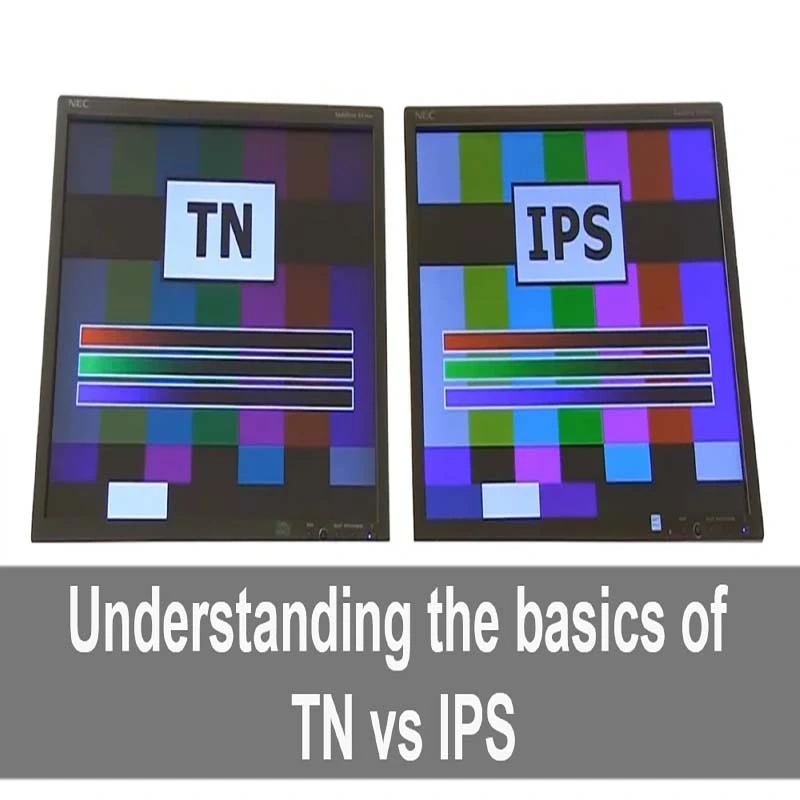
TN (Twisted Nematic) and IPS (In-Plane Switching) are two commonly used LCD panel types in interactive displays. LCD panels work by controlling light through a layer of liquid crystals, but the arrangement of these molecules differs between TN and IPS.
TN Panels: Liquid crystals are twisted to control light passage. This design allows very fast response times, making it suitable for fast-moving images, but it has limited viewing angles and narrower color gamut.
IPS Panels: Liquid crystals rotate in-plane, providing ultra-wide viewing angles and accurate color reproduction, ideal for professional, collaborative, and high-visibility applications.
When selecting a panel for an interactive whiteboard, your choice should depend on usage scenarios, viewing requirements, and interaction needs.
| Feature | TN Panel | IPS Panel | Implication for Interactive Whiteboards |
|---|---|---|---|
| Viewing Angle | ~160° | 178° | IPS ensures all participants see consistent colors from any angle. |
| Color Accuracy | Narrow gamut | Wide gamut | IPS delivers vivid, true-to-life colors for presentations and teaching. |
| Response Speed | 1–5ms | 4–10ms | TN is slightly faster for very high-speed video, but modern IPS is sufficient for most interactions. |
| Touch Accuracy | Lower precision | High precision | IPS works better with multi-touch and pen input. |
| Cost | Lower | Higher | TN can reduce cost in budget-limited projects, but IPS offers better long-term value. |
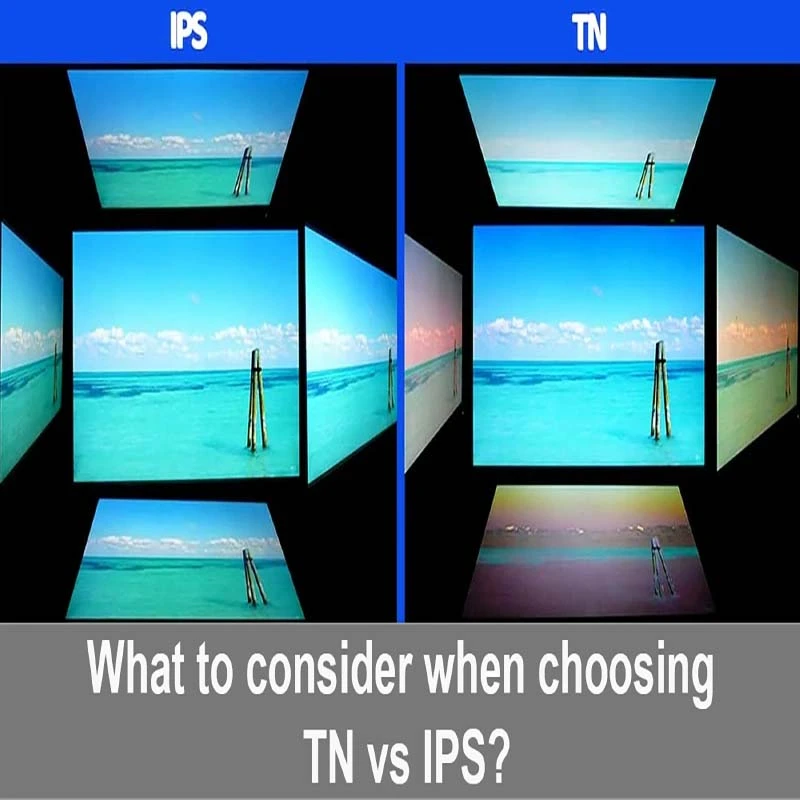
TN panels have deeper blacks but limited color coverage.
IPS panels deliver vivid colors and consistent image quality, essential for classrooms, meeting rooms, and collaborative work.
IPS panels maintain color and brightness across 178°, ideal for group participation.
TN panels may cause color shifts when viewed from the side, unsuitable for multi-user environments.
Interactive whiteboards require precise touch response and multi-touch capability.
IPS panels integrate seamlessly with touch sensors and stylus input for accurate writing, annotations, and gestures.
TN panels can handle high-brightness outdoor applications and are slightly more stable under extreme temperatures.
IPS panels are designed for indoor classrooms, offices, and collaborative spaces where viewing comfort and color accuracy are critical.
TN panels are cheaper but compromise on viewing angles and color accuracy.
IPS panels cost more but enhance user experience, engagement, and long-term satisfaction, particularly for Qtenboard interactive whiteboards used in high-end classrooms and corporate settings.
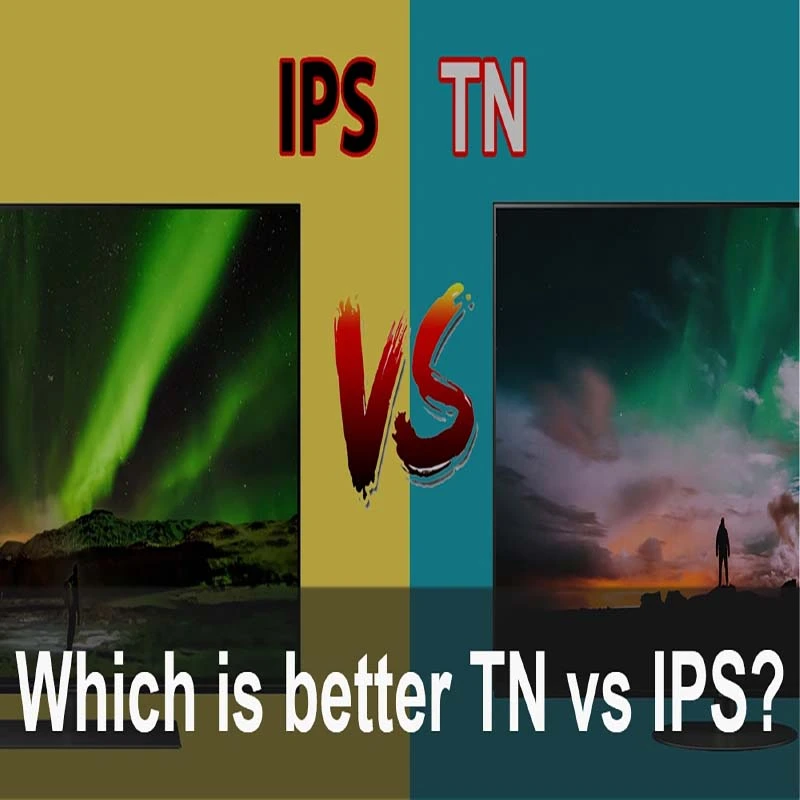
For most interactive whiteboard applications, IPS panels outperform TN panels. They provide:
TN panels may still be chosen in budget-constrained scenarios or very high-speed image environments (like e-sports or quick-signage playback), but for professional classrooms and offices, IPS is the clear choice.
When selecting a Qtenboard interactive flat panel:
Qtenboard interactive whiteboards use IPS-based panels to ensure wide viewing angles, accurate colors, and precise touch response, delivering superior classroom, office, and collaborative experiences.
Choosing between TN and IPS for interactive whiteboards is about matching display performance to application needs.
IPS: Best for most users, wide-angle viewing, professional color accuracy, multi-touch, and collaborative interaction.
TN: Suitable for cost-sensitive projects or high-speed video scenarios.
At Qtenboard, we provide interactive flat panels with premium IPS technology, ensuring engaging, accurate, and reliable performance for classrooms, corporate environments, and creative workspaces.
For personalized recommendations and project solutions, contact Qtenboard for expert guidance on choosing the right panel for your interactive display needs.
Click to read the product details and learn about its functional features and actual performance.
📖 Read Product
 EN
EN
 MAY
MAY  TH
TH  CHT
CHT  BUR
BUR  FIL
FIL  HKM
HKM  ID
ID  LAO
LAO  SIN
SIN  VIE
VIE