Display technology is evolving rapidly. In the early days, LED screens were typically the first choice for large-format displays. However, in recent years, LCD video walls have become the preferred solution across many professional application sectors.
So why are more industries choosing LCD video walls today? What advantages has LCD display technology gained to stand out in the commercial display market?
Below, Qtenboard shares key insights to help you understand why LCD video walls continue to gain strong market recognition.
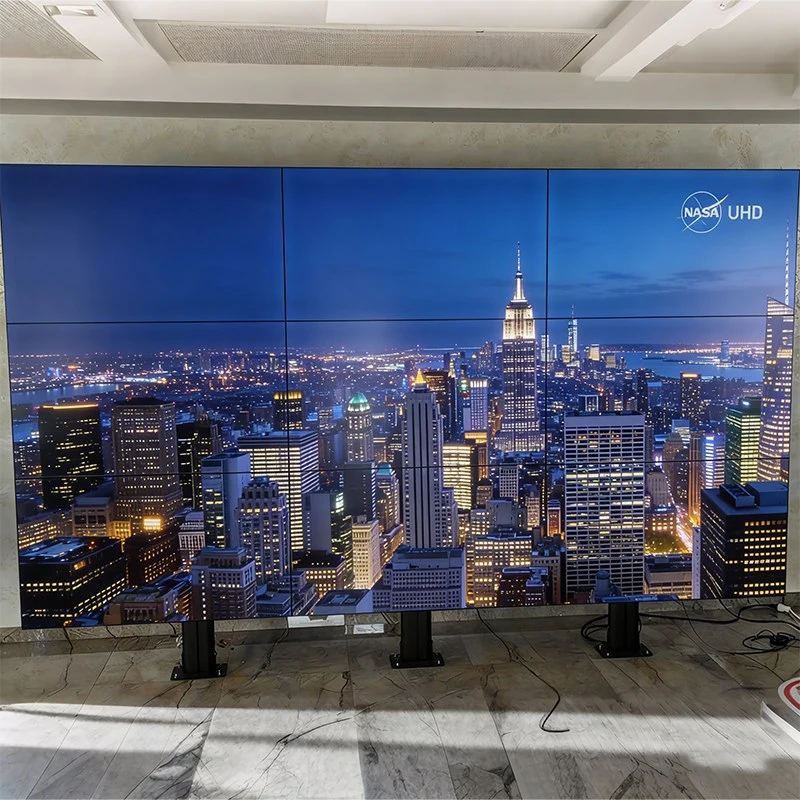
Compared to many other display technologies, LCD video walls have a longer Mean Time Between Failures (MTBF), reducing maintenance costs over the product lifecycle.
LCD displays consume less power, generate less heat, and use highly stable electronic components. With internal temperatures effectively controlled, the risk of component failure is significantly reduced. Both LCD panels and internal circuits are carefully designed for stability, making LCD video walls one of the most reliable display solutions for professional environments.
LCD screens feature small pixel pitches and high native resolutions, typically 1920×1080 (Full HD), with advanced configurations supporting 4K (3840×2160) resolution. When multiple LCD panels are combined into a video wall, ultra-high resolution can be achieved to meet demanding visual requirements.
Additionally, LCD video walls offer high brightness, high contrast, and accurate color reproduction. Images are vivid and realistic, with no distortion, flickering, or instability, ensuring stable and reliable performance during long-term use.
Limited viewing angles were a common issue in early LCD displays. Today, with advancements in modern LCD panel technology, this problem has been completely resolved.
By using DID or IPS panels, LCD video walls now support 178° horizontal and vertical viewing angles, ensuring consistent image quality from almost any position. This makes them ideal for spaces requiring wide viewing angles, such as control rooms, conference halls, lobbies, exhibition spaces, and command centers.
LCD video walls are designed for continuous operation, supporting 24/7/365 usage scenarios.
The typical service life of an LCD video wall exceeds 50,000 hours. After long-term operation, brightness may gradually decrease, but the panel structure remains intact. In most cases, normal performance can be restored simply by replacing the backlight—making LCD video walls a cost-effective long-term investment.
Early LCD video walls had wide bezels (e.g., 6.7mm or 5.5mm), which affected the overall viewing experience. At that time, some users still chose LED displays despite their higher cost and lower resolution.
With advancements in LCD manufacturing technology, ultra-narrow bezel designs have become standard. Today's LCD video walls can have bezel widths as small as 3.5mm, 1.8mm, 1.7mm, and 0.88mm, delivering a more seamless, immersive visual experience in multi-screen configurations.
LCD video walls are highly flexible and modular in installation, similar to building blocks. This allows system integrators to adapt solutions to various project environments.
Common installation methods include:
This flexibility enables effective deployment of LCD video walls in control rooms, conference rooms, shopping malls, exhibition halls, and public information spaces.
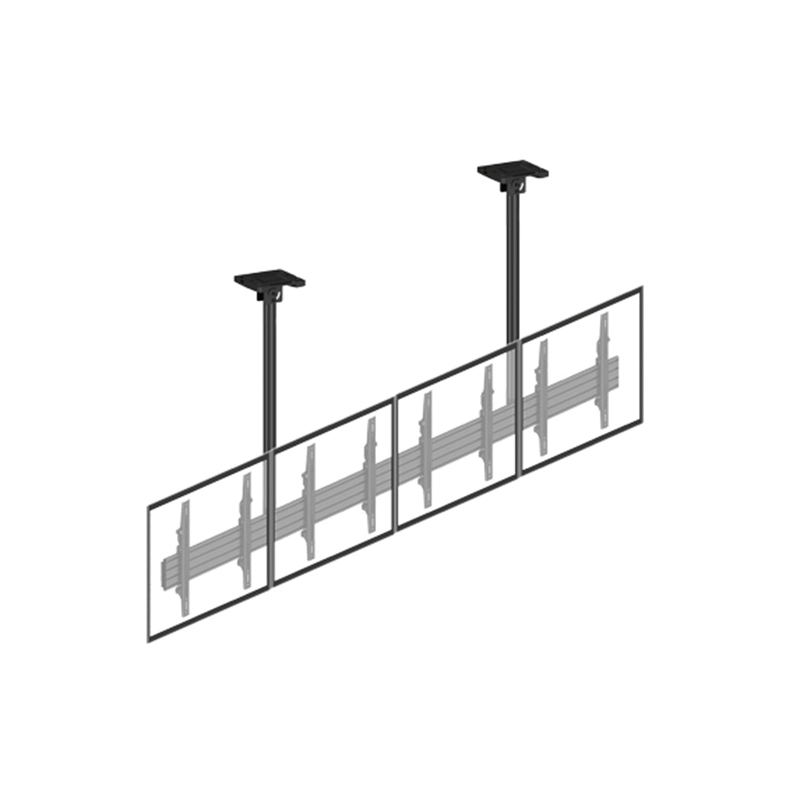
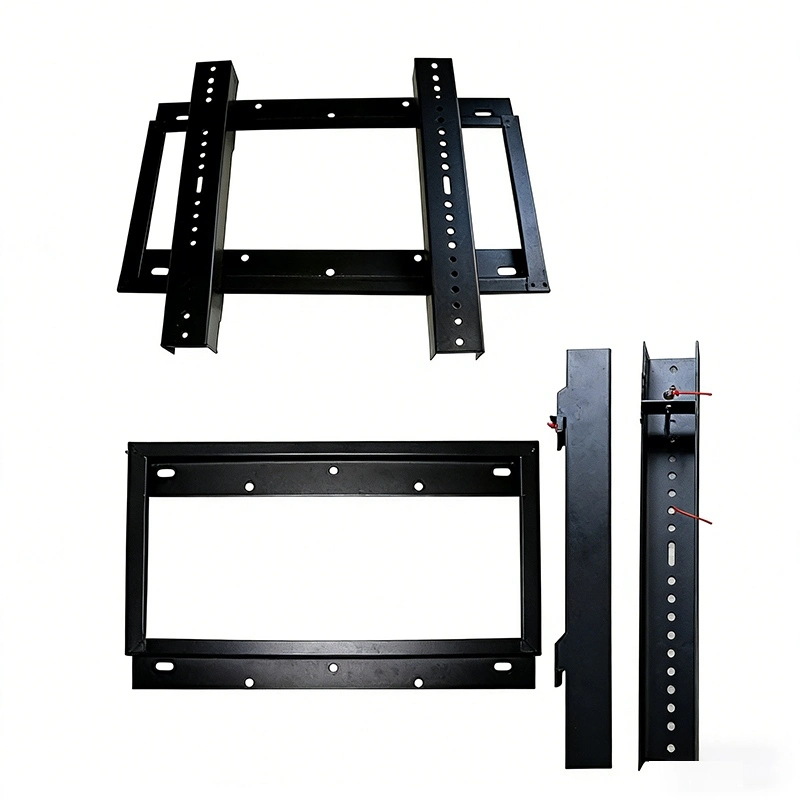
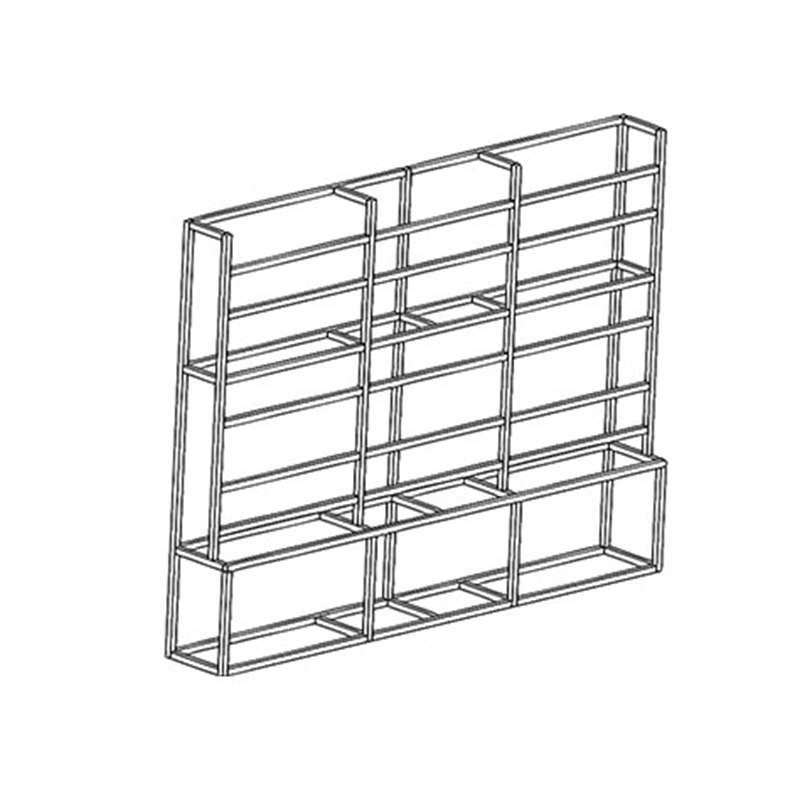
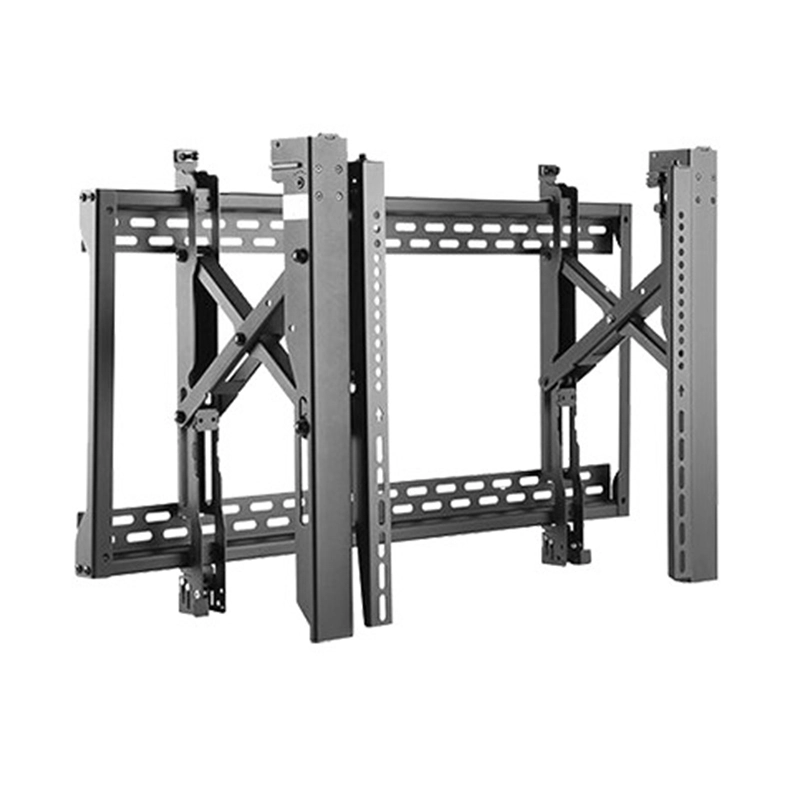
Since 2005, Qtenboard has been a professional LCD video wall manufacturer, focusing on providing reliable, high-performance display solutions for commercial and professional use.
Our LCD video walls are designed with:
Whether for monitoring, presentations, or large-scale visual communication, Qtenboard delivers durable and stable LCD video wall solutions.
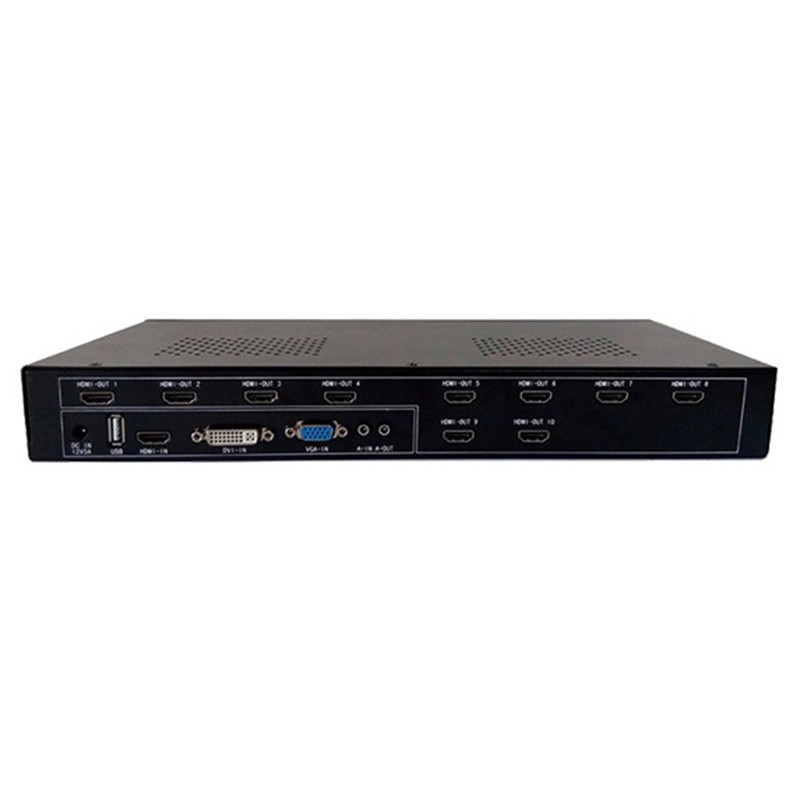
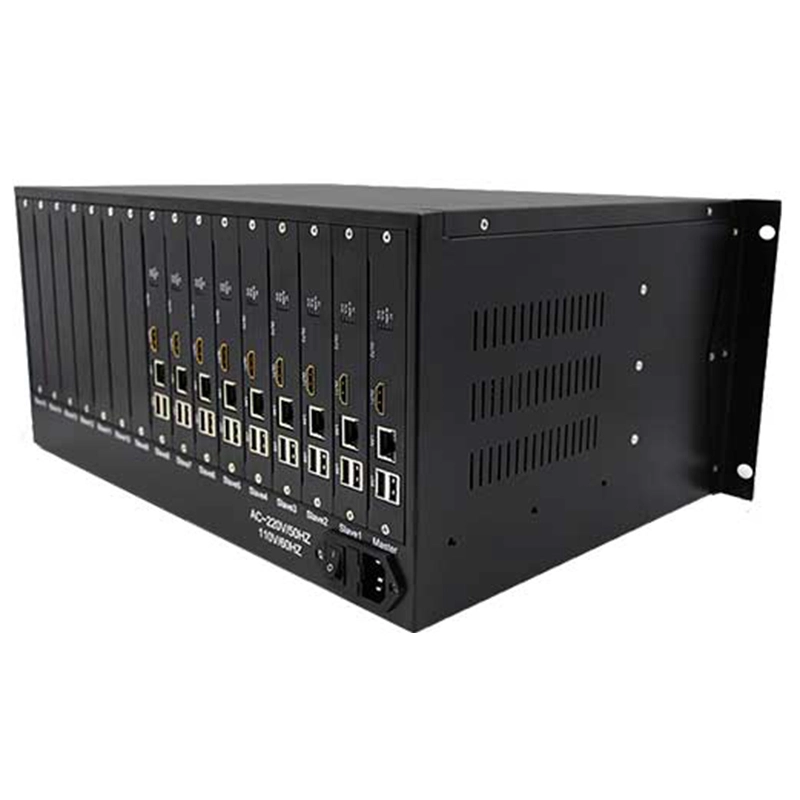
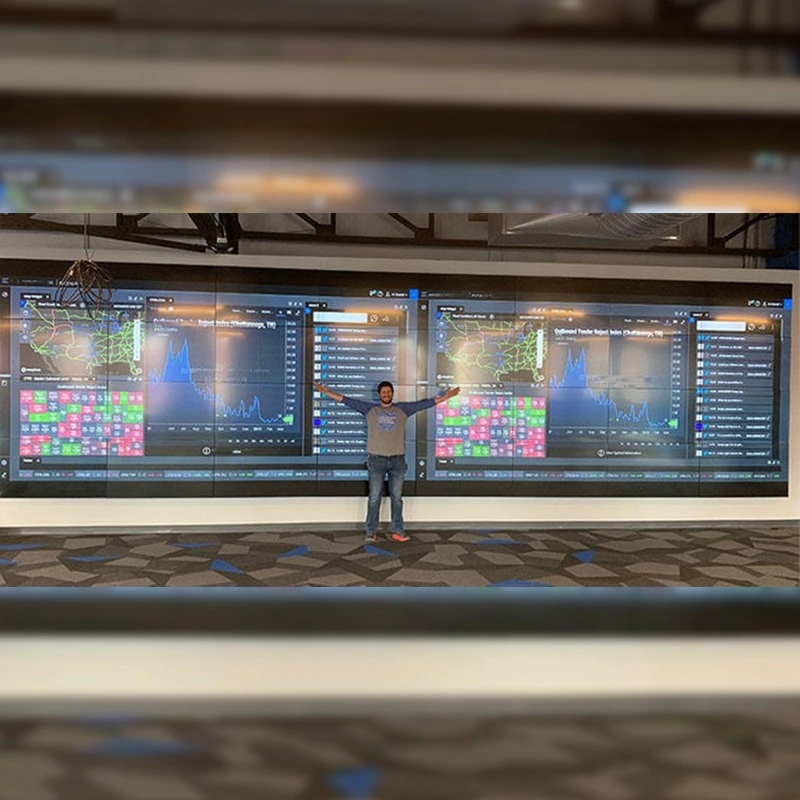
LCD video walls offer advantages such as high resolution, wide viewing angles, long service life, low maintenance costs, and advanced bezel design, making them one of the most practical and widely used display solutions on the market today.
As display requirements continue to evolve, LCD video walls remain a proven and reliable choice for professional environments where visual clarity and operational stability are critical.
Click to view product details and learn about its functional features and actual performance.
📖 Read Product Introduction
 EN
EN
 MAY
MAY  TH
TH  CHT
CHT  BUR
BUR  FIL
FIL  HKM
HKM  ID
ID  LAO
LAO  SIN
SIN  VIE
VIE