When you are planning a control room LCD video wall, three decisions decide most of the outcome: signal architecture, scalability, and 24/7 reliability. A well-designed video wall keeps these three simple, while a poorly designed one turns them into permanent operational costs.
In modern control rooms, security monitoring centers, and command environments, display systems are no longer simple screens. They are complex visual platforms designed to deliver real-time information with absolute reliability. At the core of these systems lies a key but often misunderstood interface: HDMI keluar.
For users deploying or planning a control room video wall, especially one based on panel-to-panel cascading architecture, understanding HDMI OUT is not just technical knowledge — it directly affects system stability, scalability, and long-term operational cost. As a professional LCD video wall manufacturer, Qtenboard designs HDMI OUT not as an accessory, but as a core architectural component for professional video wall systems.
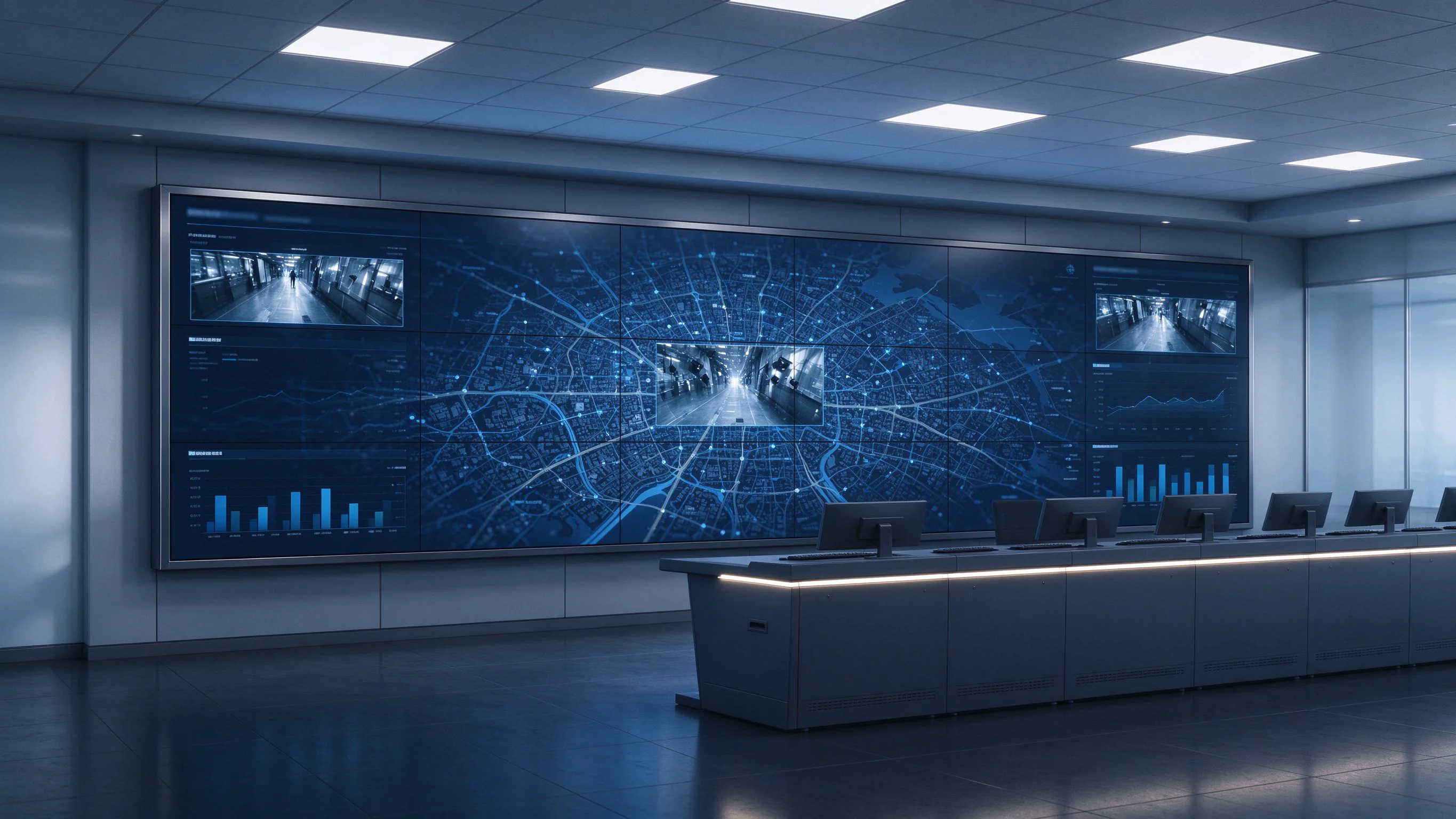
A control room video wall is a multi-panel LCD display system used to present live data, surveillance feeds, and operational information in security, command, and data visualization environments. Unlike a single large display, a video wall combines multiple narrow-bezel LCD panels to form one seamless visual surface.
Qtenboard LCD video walls are widely deployed in CCTV monitoring centers, government command rooms, and transportation control hubs — environments where a security video wall must run continuously and never fail silently.
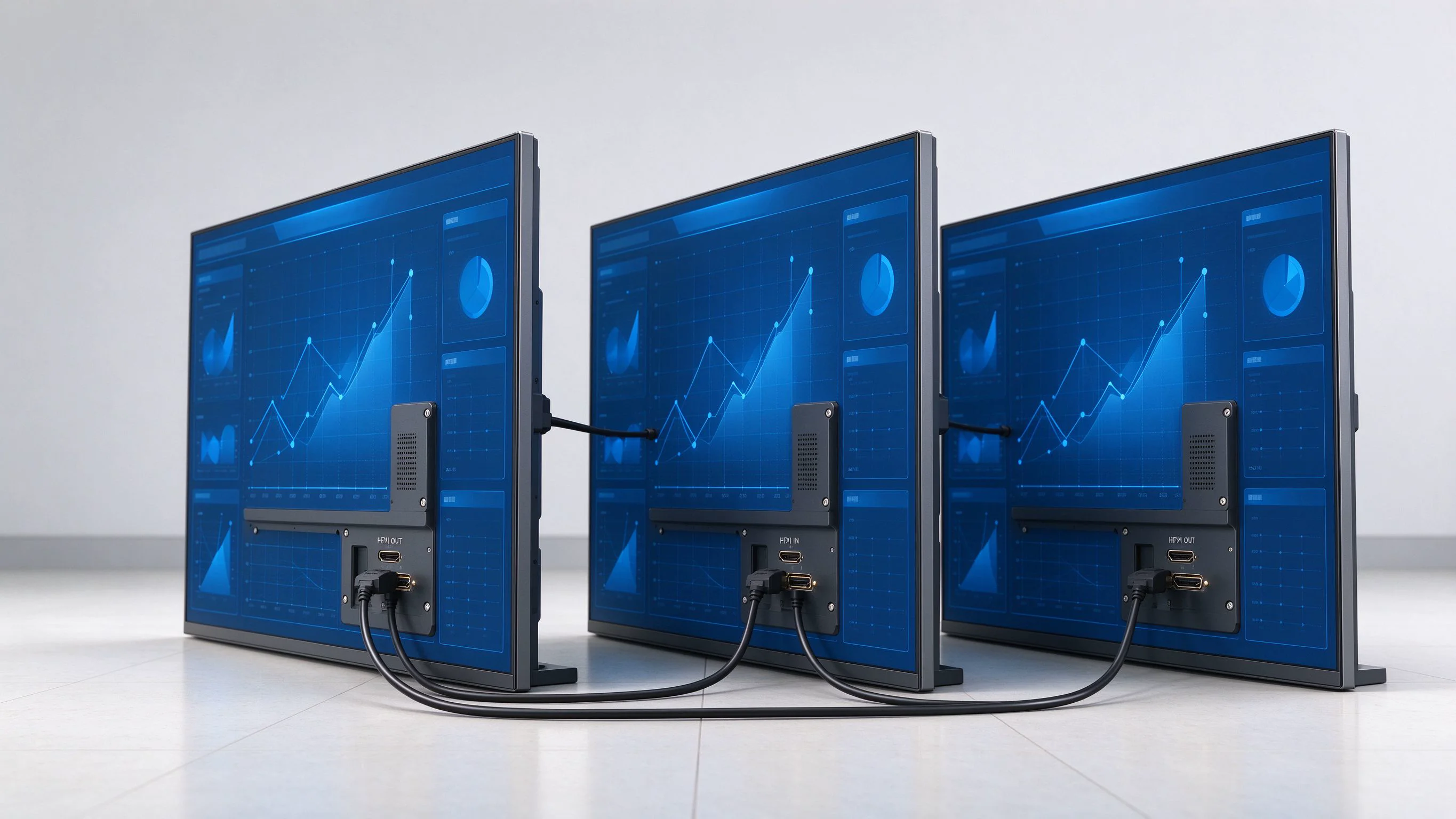
Panel-to-panel cascading (also called a daisy-chain or HDMI OUT loop) is a display architecture where each LCD panel independently processes and forwards video signals to the next panel, rather than relying entirely on a centralized controller.
In a Qtenboard LCD video wall:
With this architecture, the signal flows in a clean chain:
One source drives the entire control room video wall without extra signal splitters.
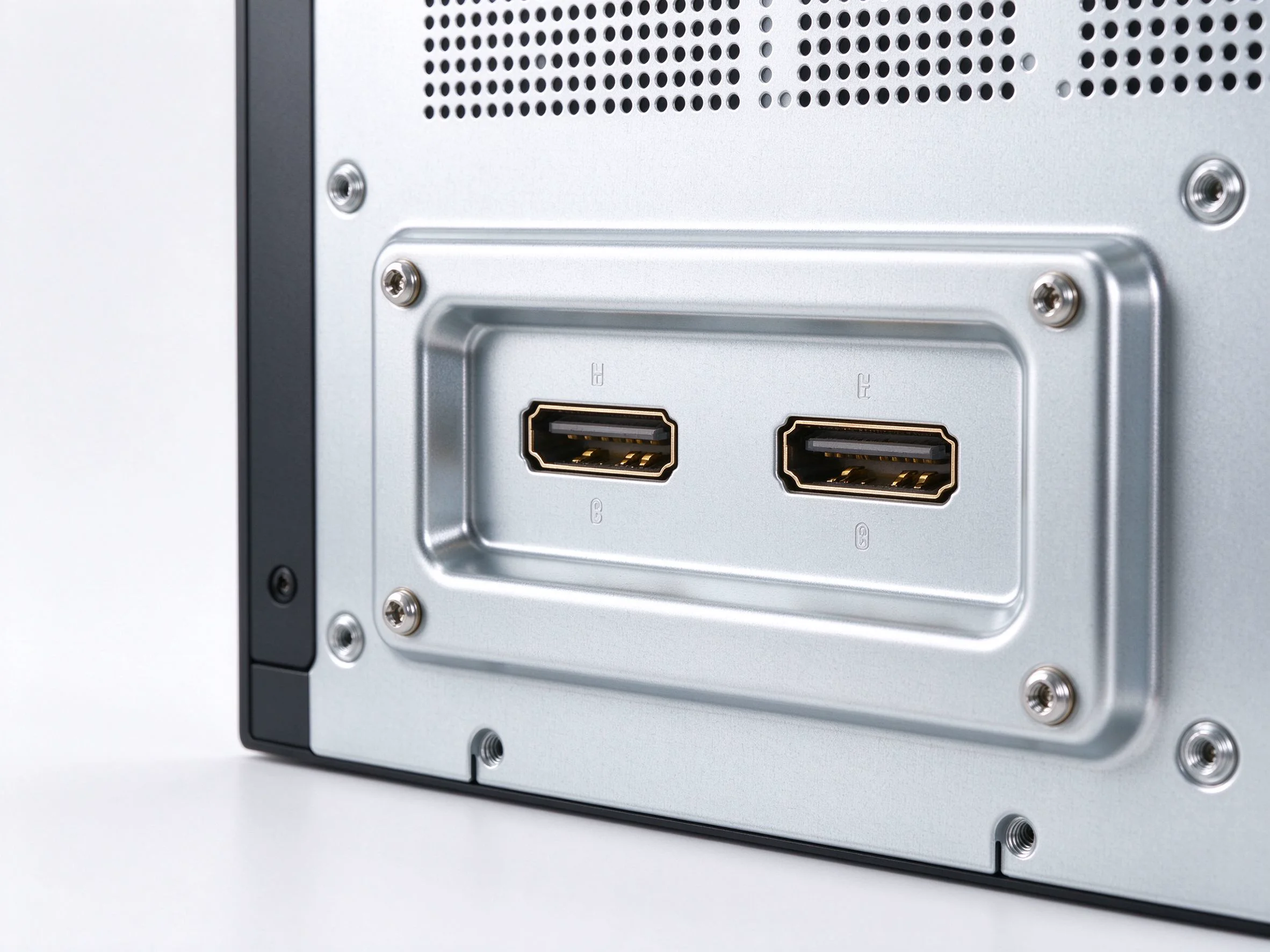
| Antarmuka | Peran dalam dinding Video LCD |
|---|---|
| HDMI masuk | Menerima sinyal dari sumber (PC, NVR, dekoder, pemutar media) |
| HDMI keluar | Keluaran diproses atau diteruskan sinyal ke panel atau display lain |
In Qtenboard panel-cascading LCD video walls, HDMI OUT functions as a signal bridge between panels, ensuring consistent image transmission across the entire wall.
Pertanyaan Yang Sering dari integrator sistem adalah:
"Do we still need a video wall controller if the panel has HDMI OUT?"
In many Qtenboard LCD video wall projects, HDMI OUT significantly reduces controller dependency.
| Skenario aplikasi | HDMI OUT (Panel Cascading) | Pengontrol eksternal |
|---|---|---|
| Sambungan dasar | ✅Cukup | ❌Tidak diperlukan |
| Dinding skala sedang | ✅Direkomendasikan | Opsional |
| Tata letak multi-sumber kompleks | ⚠Terbatas | ✅Diperlukan |
| Visualisasi tingkat lanjut | ❌Tidak cukup | ✅Diperlukan |
In mission-critical environments, LCD video walls must operate 24 hours a day, 7 days a week. Qtenboard HDMI OUT implementations are designed with:
This ensures no signal degradation during long-term operation, consistent synchronization across panels, and uniform brightness and color accuracy.
Centralized architectures often fail at one critical component. By contrast, Qtenboard panel-cascading video walls distribute processing across panels:
"Will our LCD video wall still work if we add more screens later?" With Qtenboard HDMI OUT design, expansion is straightforward: additional panels can be added without replacing existing equipment, no redesign of the signal architecture is required, and the system remains stable as it scales. This is especially valuable for smart city platforms and evolving security infrastructures.
In CCTV environments, HDMI OUT allows clean signal cascading across splicing screens, stable display of NVR and decoder outputs, and real-time monitoring without additional splitters. Qtenboard LCD video walls are widely deployed in 24/7 surveillance applications where signal stability is non-negotiable.
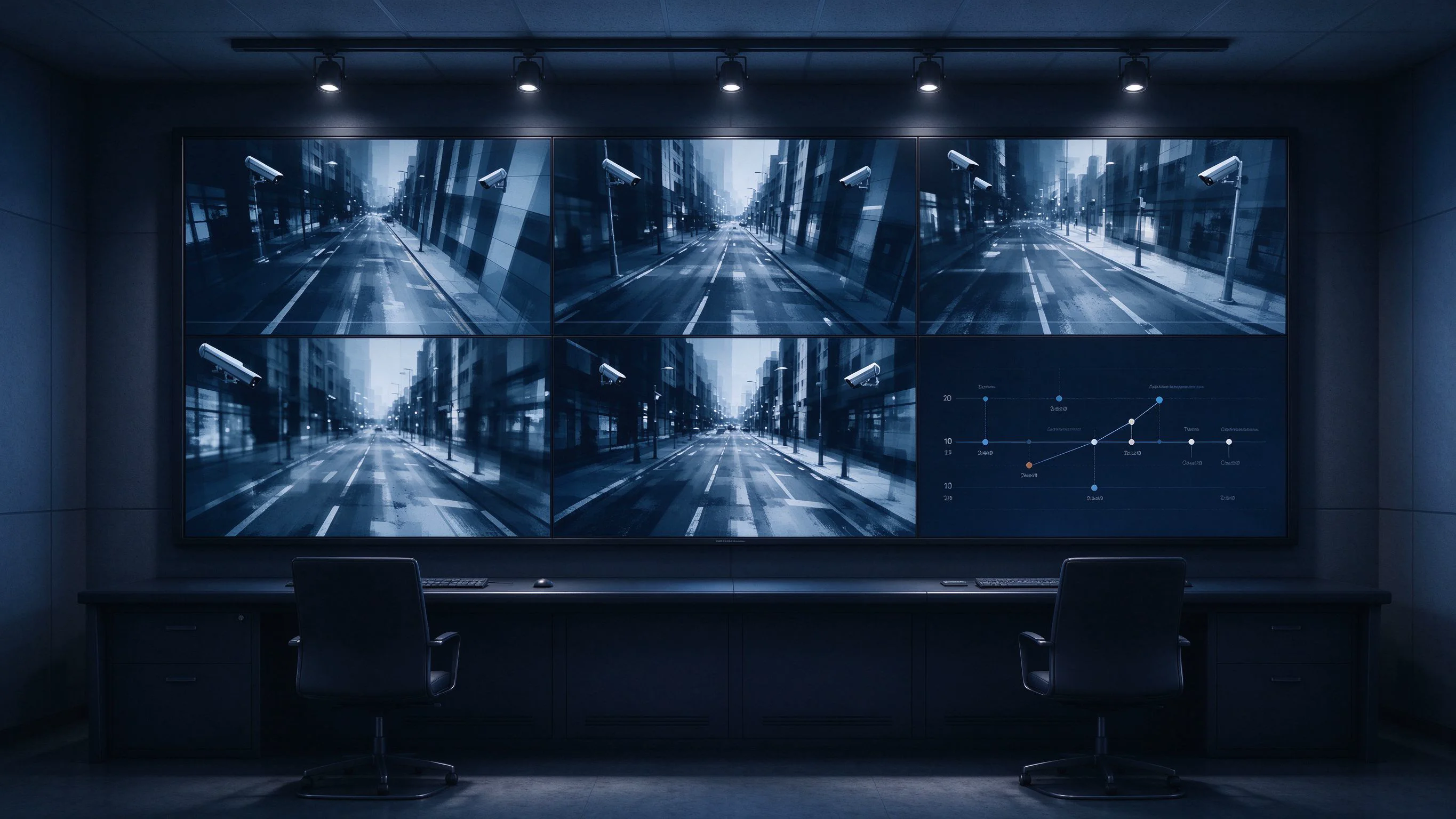
Command centers demand flexibility and clarity. With HDMI OUT, processed content can be forwarded to auxiliary displays, leadership monitoring screens can mirror the main video wall, and system layouts can evolve without hardware replacement.
In smart city projects, visual systems often expand over time, and redundancy and scalability are essential. Qtenboard HDMI OUT architecture supports hybrid deployments combining centralized control, local panel-level processing, and future-ready expansion.
When evaluating LCD video wall manufacturers, check the panel's HDMI OUT and cascading design against these criteria:
Choosing a reliable LCD video walls company means looking beyond panel specs — the signal architecture, build quality, and after-sales support determine the real cost of ownership.
Masalah: Kompleksitas sistem tinggi
Solusi: Pengisian daya keluar HDMI level Panel
Masalah: Ekspansi masa depan yang sulit
Solusi: Modular cascading architecture
Masalah: Risiko total kegagalan sistem
Solusi: Desain pemrosesan terdistribusi
Masalah: Instalasi dan biaya pemeliharaan Tinggi
Solusi: Mengurangi perangkat keras eksternal
Qtenboard integrates professional signal design at the panel engineering stage, not as an afterthought. As an LCD video wall manufacturer with full OEM/ODM support, Qtenboard delivers:
Do I still need an external video wall controller if my panel has HDMI OUT?
For basic and medium-scale splicing, HDMI OUT panel cascading is sufficient and an external controller is not required. For complex multi-source layouts and advanced visualization, an external video wall controller is still recommended.
Can I expand my LCD video wall later?
Yes. Qtenboard LCD video walls use modular panel-to-panel cascading architecture, so additional panels can be added without replacing existing equipment or redesigning the signal architecture.
What is panel-to-panel cascading?
Panel-to-panel cascading is a daisy-chain connection where the HDMI OUT port of one LCD panel connects to the HDMI IN port of the next panel, allowing the whole video wall to receive one signal source without extra splitters.
How many panels can be cascaded via HDMI OUT?
The maximum number of cascaded panels depends on the signal specifications and cable quality. Contact Qtenboard for the recommended configuration for your project size.
Is HDMI OUT reliable for 24/7 operation?
Yes. Qtenboard HDMI OUT implementations use industrial-grade connectors, stable signal buffering and thermal-optimized circuit design, ensuring consistent performance in continuous 24/7 environments.
What is the difference between HDMI IN and HDMI OUT?
HDMI IN receives signals from sources such as PCs, NVRs, decoders and media players. HDMI OUT outputs processed or forwarded signals to the next panel or display, enabling direct panel cascading.
HDMI OUT tidak lagi merupakan port keluaran sederhana.
In Qtenboard panel-cascading LCD video wall systems, HDMI OUT defines:
Bagaimana aliran sinyal | Bagaimana skala sistem | Bagaimana informasi andal dikirimkan
Understanding HDMI OUT enables users to design smarter, more resilient visual systems for security, command, and data visualization environments. If you are planning or upgrading a control room LCD video wall, selecting a professional LCD video wall manufacturer with a well-designed HDMI OUT architecture — such as Qtenboard — ensures long-term stability, scalability, and operational confidence.
Klik untuk membaca rincian produk dan mempelajari tentang fitur fungsional dan kinerja fisiknya.
📖Baca produk
 ID
 EN
 MAY
 TH
 CHT
 SIN
 BUR
 VIE
 FIL
 LAO
 HKM