 BUR
BUR
 EN
EN  MAY
MAY  TH
TH  CHT
CHT  FIL
FIL  HKM
HKM  ID
ID  LAO
LAO  SIN
SIN  VIE
VIE 
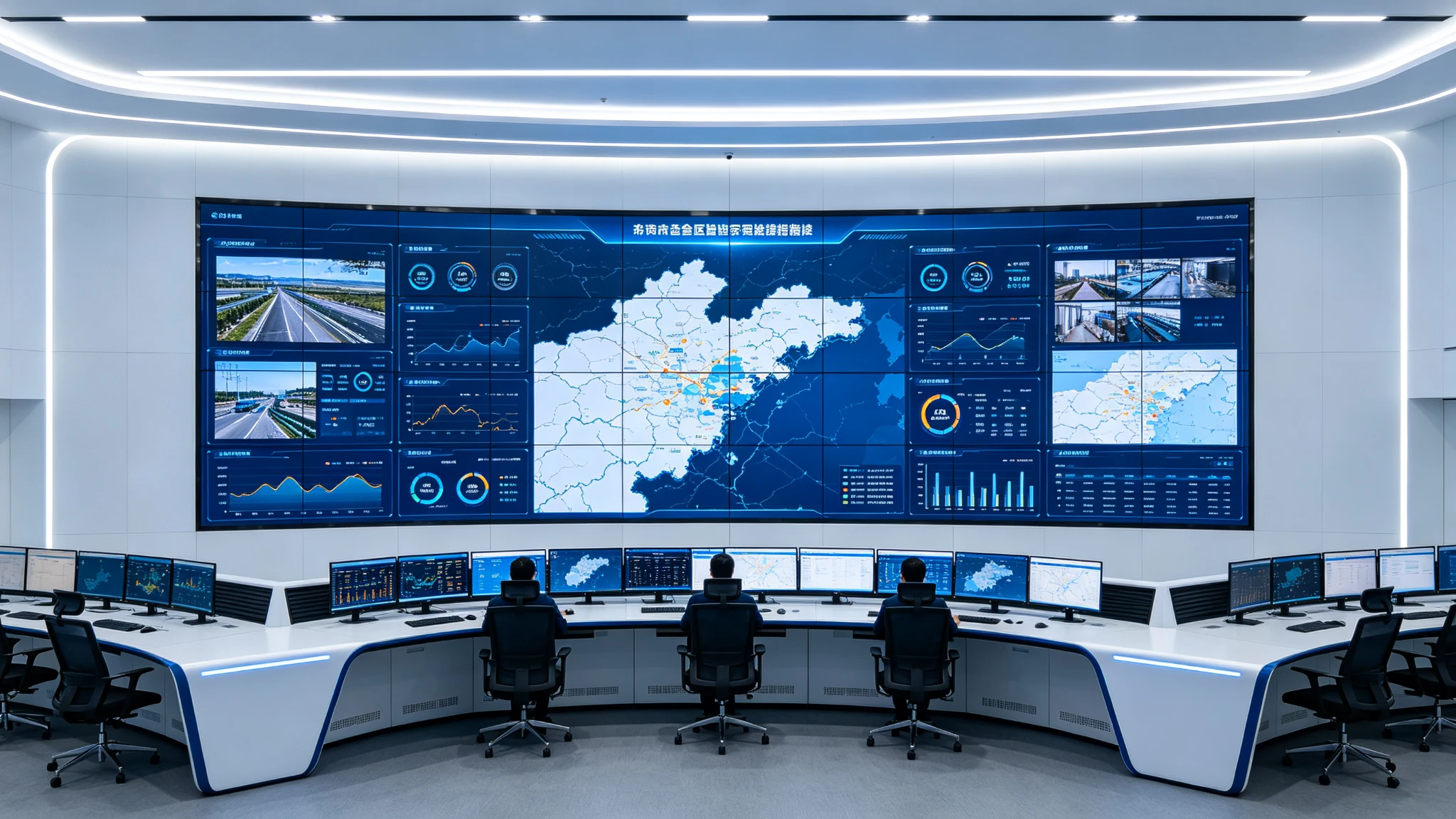
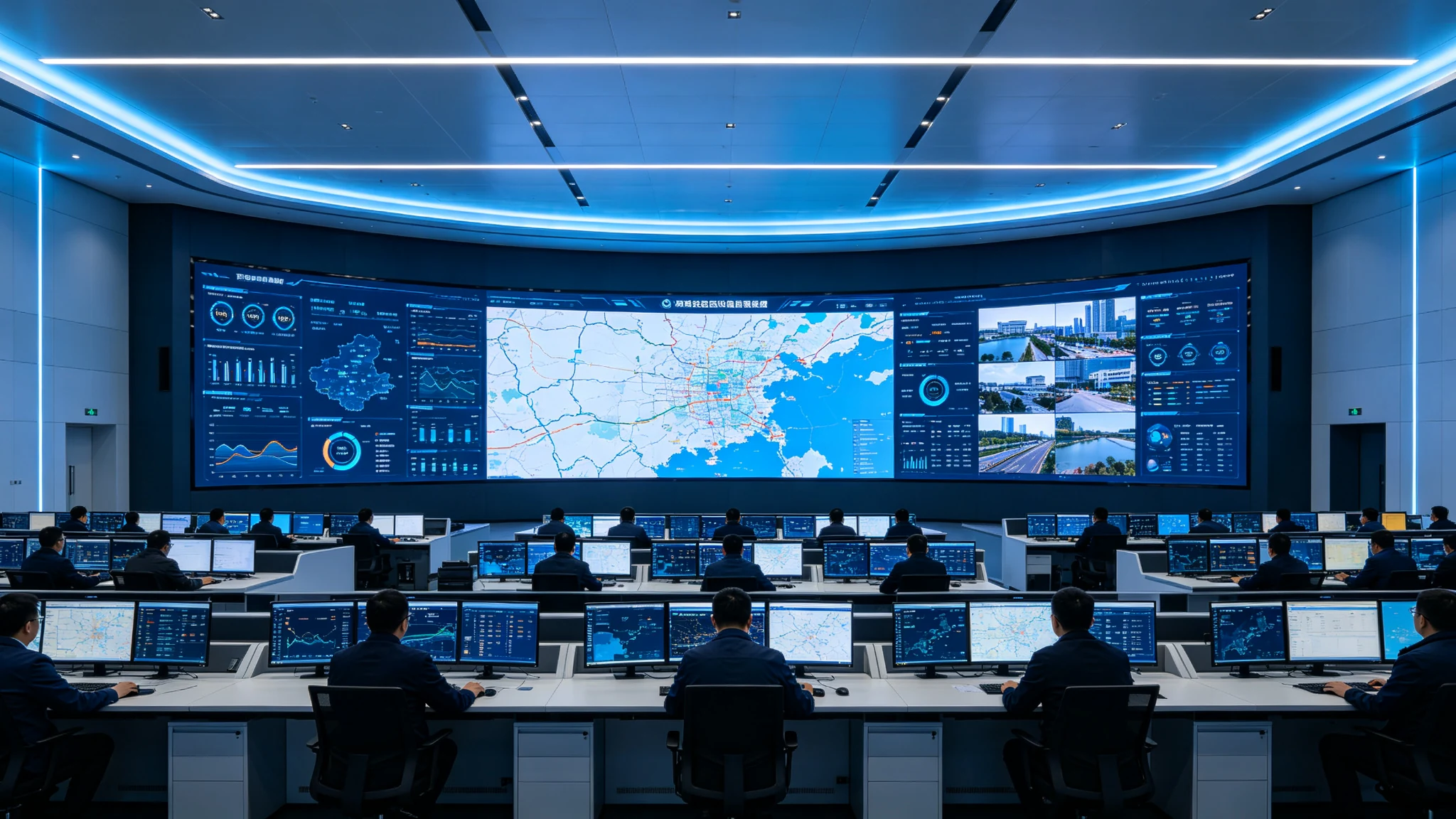
You are choosing the display technology for a control room or corporate video wall. The two shortlisted options are an LCD video wall and a Mini-LED video wall. The sales decks compare "cost per screen." Your finance team, however, will compare five years of spending. This article is a side-by-side LCD vs Mini-LED TCO comparison — CapEx, OpEx, and lifecycle cost — written for procurement teams and project engineers who need to defend the decision with data, not adjectives.
A common mistake is to let a single unit price decide the technology. This guide separates the decision into three layers — initial purchase cost, operating cost, and lifecycle cost — and shows where each technology wins honestly. We do not argue that one display technology is universally better; we argue that video wall cost comparison must include the full ownership period, especially for a control room display cost review that has to survive a tender or an internal budget review.
CapEx: Initial Purchase Cost, LCD vs Mini-LED
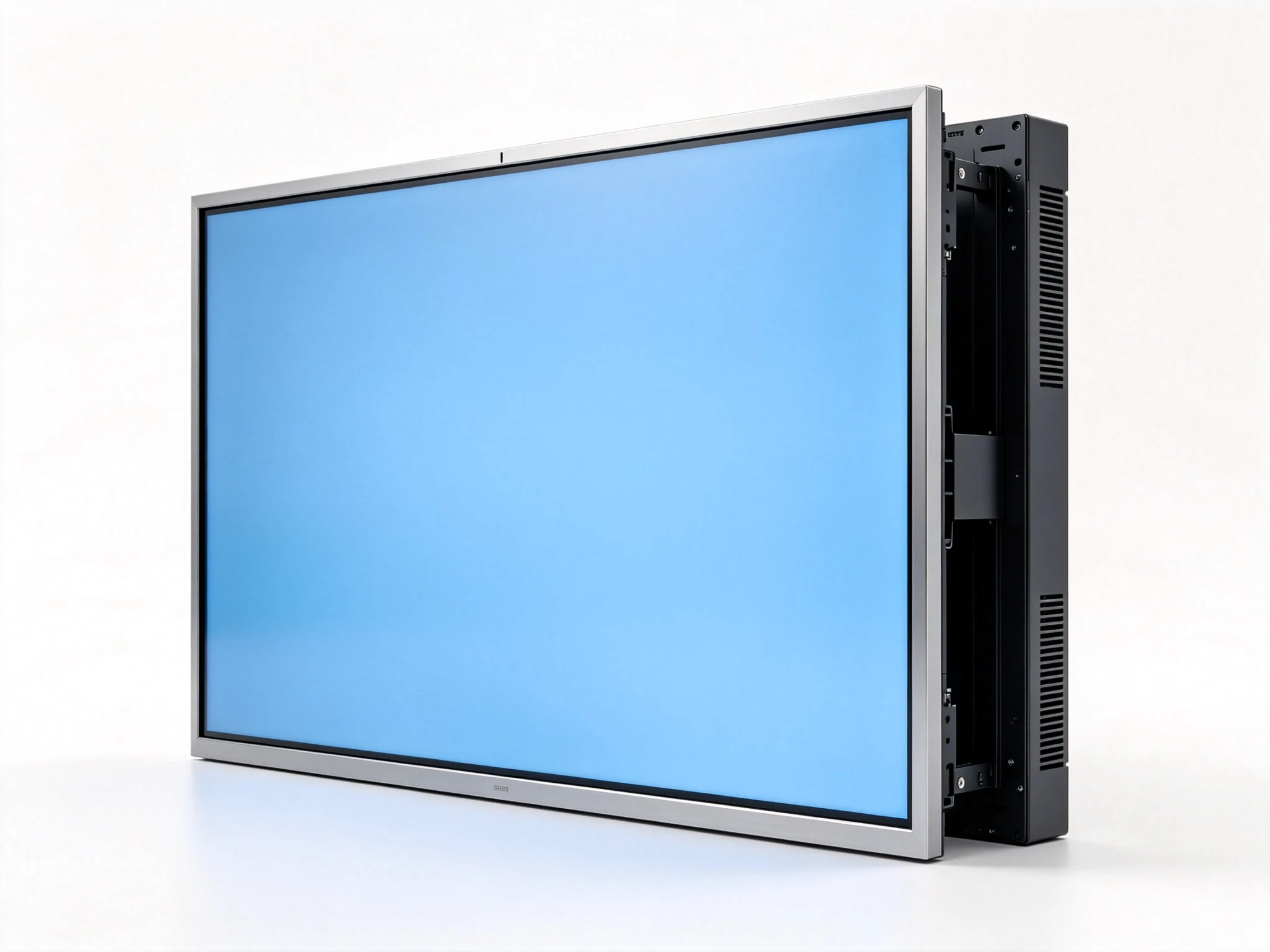
LCD starts from a lower base at the same display size
For a given display area — say, a 3x3 wall of 55‑inch tiles — an LCD video wall has a significantly lower initial purchase cost than a Mini‑LED wall of comparable area and pitch. The exact ratio depends on pixel pitch, panel grade, and your market; it is a figure you should confirm with current quotes rather than trust from memory. The practical effect is the same: LCD gives a control room a large, professional canvas at a capital cost that fits a normal annual budget, while Mini‑LED's premium is spent when extremely fine pitch or very high brightness is a genuine requirement.
OpEx: Energy, Cooling, and Maintenance
Operating expenditure repeats every month the wall is on. Two line items dominate: energy and maintenance. This is where the "cheap screen" can quietly become an expensive one — and where LCD's engineering is strongest in a 24/7 environment.
Energy and heat: the cooling load you do not see
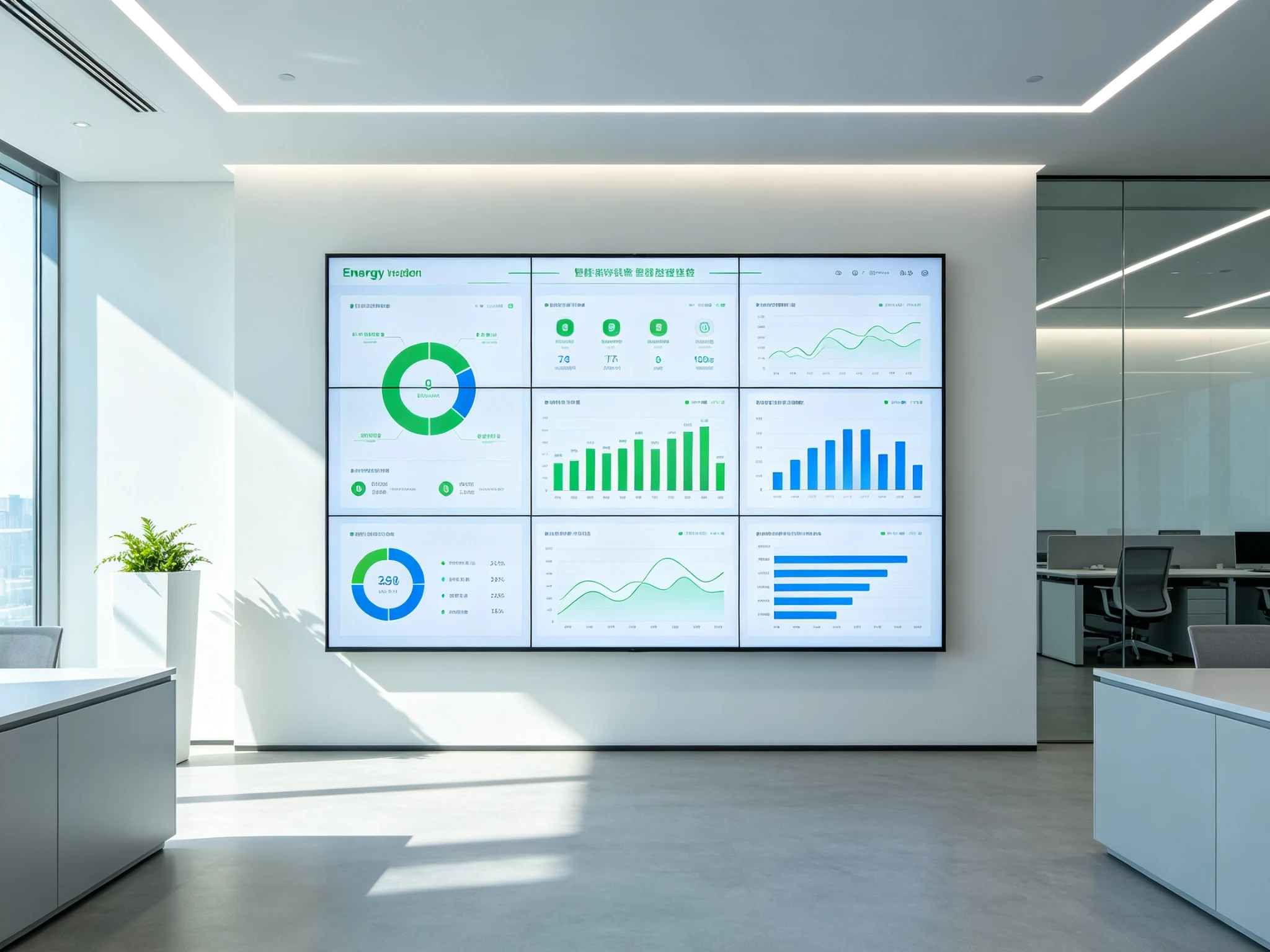
Heat management shapes the electricity bill
In typical indoor control‑room conditions, an LCD video wall produces less heat per display area than a high‑brightness Mini‑LED wall, which lowers both direct power draw and the cooling load on the room's HVAC. Long‑term energy and cooling cost — not the panel's sticker price — is what moves a control room display cost forecast by thousands of dollars over five years. LCD's heat dissipation design is simpler to engineer into a retrofit room, which matters when the project budget includes air‑conditioning upgrades.
Maintenance: panel‑level swap vs module return‑to‑factory
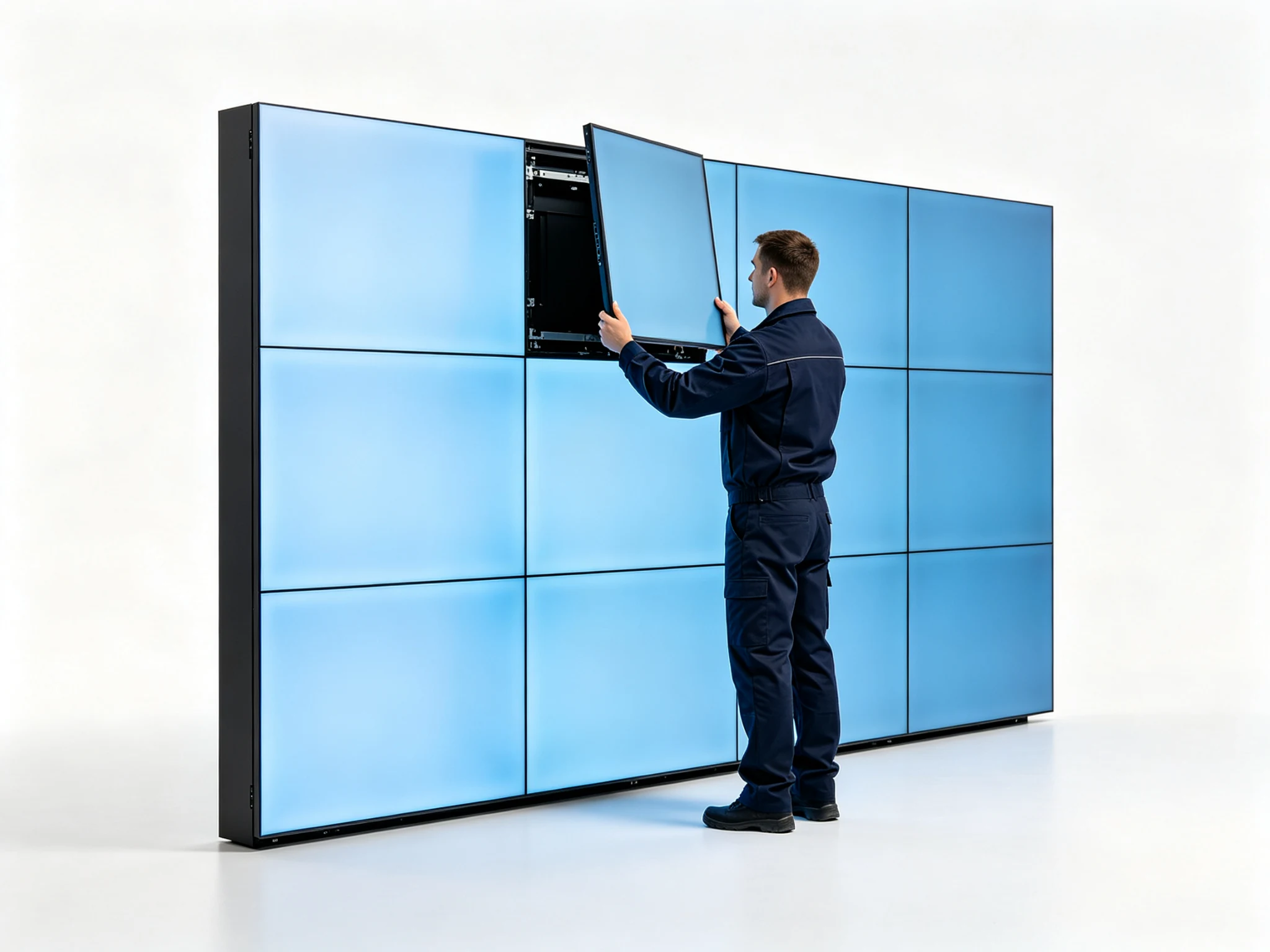
Two very different repair supply chains
An LCD video wall is repaired at panel level: a single failing panel is swapped on site by a local technician, usually within a service visit, and the wall keeps running on the remaining panels. A Mini‑LED wall is repaired at module level, and a failed module is often sent back to the factory for rework — longer downtime, more logistics, and a spares policy you must audit before signing. For a mission‑critical control room, the difference between a same‑day panel swap and a two‑week module round trip is a difference in risk, not just cost.
Lifecycle Cost: Backlight Life vs Module Aging
Every display technology ages, but they age differently — and that difference determines when you spend the next capital round.
An industrial LCD panel is built around a DID backlight rated for around 60,000 hours. At 12 hours per day, that is roughly 13 years before the backlight reaches its rated life, and replacement is a single‑panel event. A Mini‑LED wall's LED chips are long‑lived, but brightness decays gradually, and module‑to‑module brightness drift means modules are replaced or recalibrated over the wall's life. In lifecycle terms, LCD offers a predictable replacement curve that fits neatly into a five‑year TCO model — one of the strongest arguments for LCD in a budget‑managed control room project.
LCD vs Mini‑LED Video Wall: Side‑by‑Side Comparison
The table below summarizes the differences procurement teams should weigh. It describes typical behavior of commercial‑grade products — always verify the figures in the supplier's data sheet and quote.
| အတိုင်းအတ် | LCD ရုပ်သံဖို့ | Mini‑LED Video Wall |
|---|---|---|
| Initial purchase cost (CapEx) | Significantly lower for the same display area; fits standard annual display budgets. | Higher; premium grows as pixel pitch becomes finer. |
| Maintenance model | Panel‑level: single panel swapped on site, wall continues operating. | Module‑level: failed module often returned to factory for repair; longer downtime. |
| Rated life & aging | DID backlight rated ~60,000 h; predictable, single‑panel replacement curve. | LED chips long‑lived; gradual brightness decay and module drift over time. |
| Energy & cooling (OpEx) | Lower heat per area in typical indoor use; simpler cooling and HVAC impact. | High brightness capability with higher heat; larger cooling load. |
| Optimal viewing distance | Comfortable from roughly 2–5 m for 55‑inch‑class tiles. | Fine pitch allows closer viewing; cost rises sharply with finer pitch. |
| Color uniformity | Factory‑calibrated panels; recalibration supported by controller. | Module‑to‑module uniformity requires calibration at install and over time. |
| Best‑fit scenarios | Control rooms, conference centers, corporate lobbies, budget‑managed projects. | Very large walls, high ambient brightness, ultra‑fine pitch requirements. |
Where LCD Remains the Stronger Choice
Based on the three layers above, LCD is the better‑engineered choice for a specific, common set of projects. Mini‑LED remains the right tool where its brightness and pitch are genuinely needed. Neither statement is marketing; both follow from the cost structure.
Choose LCD when:
- The wall is viewed from 2–5 m — typical control rooms, conference rooms, and lobbies.
- Operating hours are long and predictable, so backlight life and energy draw dominate TCO.
- Budget approval requires a stable five‑year cost model with local, fast maintenance.
- Room cooling is limited or a retrofit, making low heat output valuable.
Choose Mini‑LED when:
- The wall is very large or viewed from very close, demanding ultra‑fine pitch.
- Ambient light is high and the display must stay readable without dimming the room.
- The project budget and spares policy can absorb module‑level maintenance and factory rework.
The honest summary: for most control‑room and corporate display budgets, an LCD video wall delivers the needed image quality at a meaningfully lower video wall cost comparison across CapEx, OpEx, and lifecycle — while Mini‑LED justifies its premium only where pitch and brightness genuinely demand it.
A Three‑Step Decision Framework for Procurement
Stop comparing slides. Run this three‑step framework instead, and you will have a defensible recommendation for the tender committee:
Measure the operator‑to‑wall distance and ambient light. This narrows the pitch requirement before anyone talks price.
Enter CapEx, energy, cooling, maintenance, spares, and replacement for each technology in one spreadsheet with identical assumptions.
Ask both suppliers for the same data set. The technology that survives a like‑for‑like comparison is the one that should win.
This framework is exactly how Qtenboard asks buyers to evaluate its LCD video wall systems — and how we ask buyers to evaluate competitors too. A decision made on identical data is a decision nobody has to defend twice.
Qtenboard's Role in Control Room Projects
Qtenboard designs and manufactures LCD video wall systems for control rooms, command centers, and corporate environments, with the engineering choices that make LCD's TCO story hold up in practice:
- DID industrial panels with ~60,000‑hour backlight life — the predictable replacement curve a five‑year model needs.
- Panel‑level maintenance support — spare panels and remote diagnostics that keep a mission‑critical wall running while a single tile is swapped.
- Heat‑aware design and controller‑based calibration — lower cooling load and panel‑to‑panel color consistency without expensive service contracts.
As an OEM/ODM partner, Qtenboard works with system integrators, distributors, and government‑oriented project buyers worldwide. Send us your viewing distance, operating hours, and wall size, and we will return a like‑for‑like LCD vs Mini‑LED TCO comparison using the same framework above — with our numbers and yours.
Related Video
Watch the video below to see how display technology and configuration decisions translate into project cost and planning choices.
ဥပမာ ၊
Which is cheaper: an LCD video wall or a Mini‑LED video wall?
For the same display area, an LCD video wall is significantly cheaper to purchase than a Mini‑LED wall in typical control‑room sizes. The exact ratio depends on pixel pitch, panel grade, and market — confirm it with current supplier quotes. Over five years, LCD also tends to hold its advantage on energy, cooling, and maintenance because repairs are panel‑level rather than module‑level.
What is included in a video wall cost comparison for a control room?
A complete control room display cost review covers three layers: CapEx (panels, controller, installation), OpEx (energy, cooling, maintenance, spares), and lifecycle (rated life, aging behavior, replacement timing). Comparing only unit prices ignores the two layers that decide the five‑year budget.
How long does an LCD video wall last compared with a Mini‑LED wall?
Industrial DID LCD panels are typically rated for around 60,000 hours of backlight life — roughly 13 years at 12 hours per day — with replacement handled one panel at a time. Mini‑LED walls have long‑lived LED chips but show gradual brightness decay and module drift, which drive module replacement and recalibration over time.
When should a project choose Mini‑LED instead of LCD?
Mini‑LED earns its premium when the wall is very large, viewed from close range, or located in high ambient light where extreme brightness is mandatory. For most control rooms, conference centers, and corporate lobbies — where viewing distance is 2–5 m and budgets are managed year to year — LCD remains the stronger total cost of ownership choice.
Get a Like‑for‑Like TCO Comparison
Send your wall size, viewing distance, and operating hours to the Qtenboard engineering and sales team. We will model LCD vs Mini‑LED TCO with the same assumptions for both technologies, so your procurement decision is backed by data before it reaches the committee.
Request a TCO Analysis on Qtenboard